


When you’re building a new home, renovating, or upgrading an electrical supply in Sydney, one big question often comes up early: should you go with overhead power lines or underground cables?
At first glance, the choice seems simple. Overhead is the traditional option and underground looks cleaner. But in reality, the better option depends on cost, access, local distributor rules, safety, maintenance, and even future upgrades.
If you’re planning electrical work that involves mains supply connections, you’ll also need the right qualified professional. In NSW, that usually means hiring a level 2 electrician Sydney who is authorised to handle service lines, consumer mains, metering work, and disconnection/reconnection.
Let’s break it down properly so you can make the best decision for your property.
What are overhead power lines?
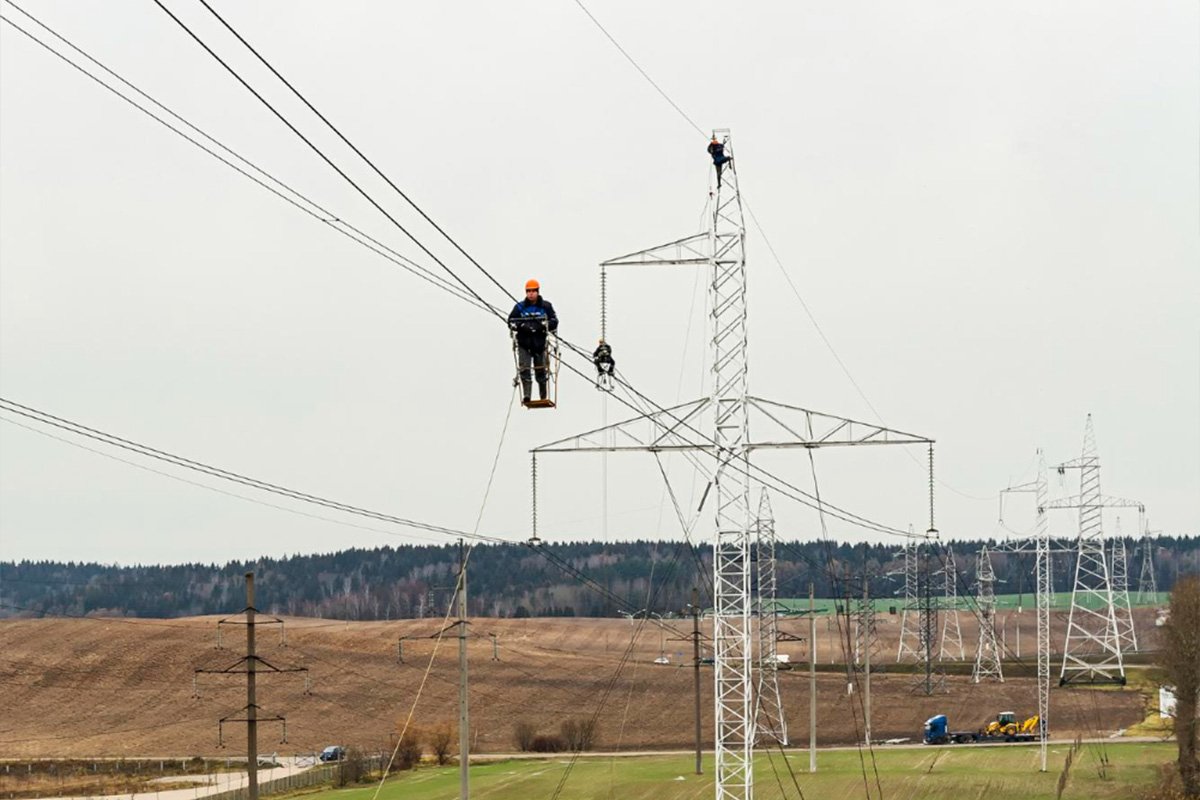
Overhead power lines are the electrical supply cables you see running along poles and connecting homes from above ground. In most older Sydney suburbs, overhead connections are still extremely common.
The service line runs from the street pole to your property’s point of attachment, then feeds into your switchboard through consumer mains.
This option is usually quicker to install, and faults can be identified faster because everything is visible.
What are underground cables?
Underground power supply involves running cables beneath the ground through conduit, usually from the street pit or pillar to your meter box and main switchboard.
Underground wiring is more common in modern housing estates, premium builds, and areas where streetscape appearance is a priority.
A licensed Underground wiring electrician (especially one accredited as a Level 2 ASP) is required for this type of work in Sydney.
Pros and cons of overhead power lines
Advantages of overhead power supply
1. Lower upfront installation cost
Overhead connections often cost less because they don’t require trenching, boring, or conduit installation. If your property already has an existing overhead setup, upgrading may also be straightforward.
2. Faster repairs during faults
Because the line is above ground, faults caused by wind, wildlife, or wear are easier to locate and fix. This can reduce downtime.
3. Less disruption to your property
No digging means you won’t need to cut through driveways, garden beds, retaining walls, or concrete paths.
Disadvantages of overhead power supply
1. Exposure to storms and falling branches
Sydney storms can cause damage to aerial cables, especially in areas with heavy tree cover. This is one of the most common reasons homeowners experience sudden outages.
2. Visual impact
Some homeowners dislike the look of overhead cabling, especially if they’re investing in a modern façade renovation.
3. Higher bushfire and safety risks in extreme conditions
While networks are designed to be safe, overhead lines are naturally more exposed than underground systems.
Pros and cons of underground cables
Advantages of underground cabling
1. Cleaner appearance
Underground cabling is the preferred option for modern builds because it removes visible wiring and poles from the property frontage.
2. Less weather-related damage
Underground cables aren’t affected by wind, tree branches, or debris in the same way overhead lines are.
3. Long-term reliability in the right conditions
When installed properly with correct conduit depth and drainage planning, underground supply can perform extremely well over time.
Disadvantages of underground cabling
1. Higher upfront cost
Underground installations require excavation, conduit, backfill, and reinstatement. Costs rise quickly if the ground is rocky or access is tight.
2. Repairs can take longer
If a fault occurs, technicians may need to locate the fault point and dig to access the cable.
3. More planning is required
Underground services must avoid existing utilities like stormwater, sewer lines, gas pipes, and NBN conduits.
Approximate cost comparison in Sydney (overhead vs underground)
Costs vary based on the length of the run, ground conditions, and whether additional upgrades are required, but here are common price ranges seen across Sydney and NSW.
Approximate cost of overhead power lines
For standard residential work, overhead installations typically range from:
- $1,500 to $3,500 (basic overhead connection or upgrade)
- $3,500 to $6,500+ (if a private pole is needed or consumer mains upgrades are included)
Overhead tends to be the cheaper option because there’s less civil work involved.
Approximate cost of underground cabling
Underground installations generally cost more due to trenching and conduit work:
- $3,500 to $7,000+ (standard underground installation)
- $7,000 to $12,000+ (long runs, boring under driveways, restricted access, or concrete reinstatement)
What increases the cost for both options?
Whether you choose overhead or underground, your quote can increase if your job includes:
- defect notice repairs
- metering upgrades
- consumer mains replacement
- switchboard compliance issues
- long distance from pit to switchboard
- excavation through clay-heavy or rocky soil
- urgent disconnection and reconnection
This is why an inspection by a level 2 electrician Sydney is the smartest first step.
Which option is better for your Sydney property?
There isn’t one universal winner. Instead, the best choice depends on what matters most for your property.
Choose overhead power lines if:
- you want a cheaper connection
- your property already has overhead infrastructure
- you have clear space for safe aerial routing
- you want faster repairs and easier future access
- trenching would damage landscaping or driveway areas
Choose underground cabling if:
- you want a modern clean finish with no visible wiring
- you’re building a new home or doing major renovations
- your block allows easy trenching during construction
- you’re in an estate designed for underground supply
- you want reduced storm-related risks
In many Sydney suburbs, underground is ideal for appearance and long-term value, while overhead is still the practical choice for budget-friendly upgrades.
Why you need a level 2 electrician Sydney for this work
Many homeowners don’t realise that overhead and underground supply work is not standard electrician work.
In NSW, only a qualified Level 2 Accredited Service Provider (ASP) can legally handle supply authority tasks such as:
- installing or upgrading overhead power lines
- underground service line installation
- private pole installations
- consumer mains upgrades
- defect notice rectifications
- metering work
- disconnection and reconnection for renovations
If you choose the wrong contractor, you can face delays, failed inspections, and costly rework.
A licensed Underground wiring electrician with Level 2 accreditation ensures the work is done correctly and aligned with distributor requirements.
Final verdict:
If you’re after speed, simplicity, and affordability, overhead power lines are often the better choice. They’re quicker to install, easier to inspect, and usually cheaper.
If you want a cleaner look, better protection from storms, and a modern finish, underground cabling is worth considering especially during a new build when trenching is already part of the construction stage.
Either way, the key is getting the job done by the right professional. A trusted level 2 electrician Sydney can assess your site, handle approvals, and install the safest and most compliant solution for your property.
FAQs:
1. Is underground power better than overhead?
Underground power is usually better for appearance and reduces weather exposure, but it costs more and can take longer to repair if faults occur.
2. Are overhead power lines cheaper than underground cables?
Yes. In most Sydney properties, overhead installations are cheaper because they require less trenching and civil work.
3. How much does underground electrical wiring cost in Sydney?
Underground cabling commonly costs $3,500 to $7,000+, and complex jobs can exceed $10,000 depending on access and distance.
4. Do I need a level 2 electrician in Sydney for underground wiring?
Yes. Any work involving consumer mains, service lines, metering, or supply connections must be done by a Level 2 ASP electrician.
5. What causes faults in overhead power lines?
Common causes include storms, tree branches, wildlife interference, and ageing cable connections.
6. How long do underground cables last?
When installed correctly, underground cables can last decades. Lifespan depends on installation quality, moisture control, and soil conditions.