


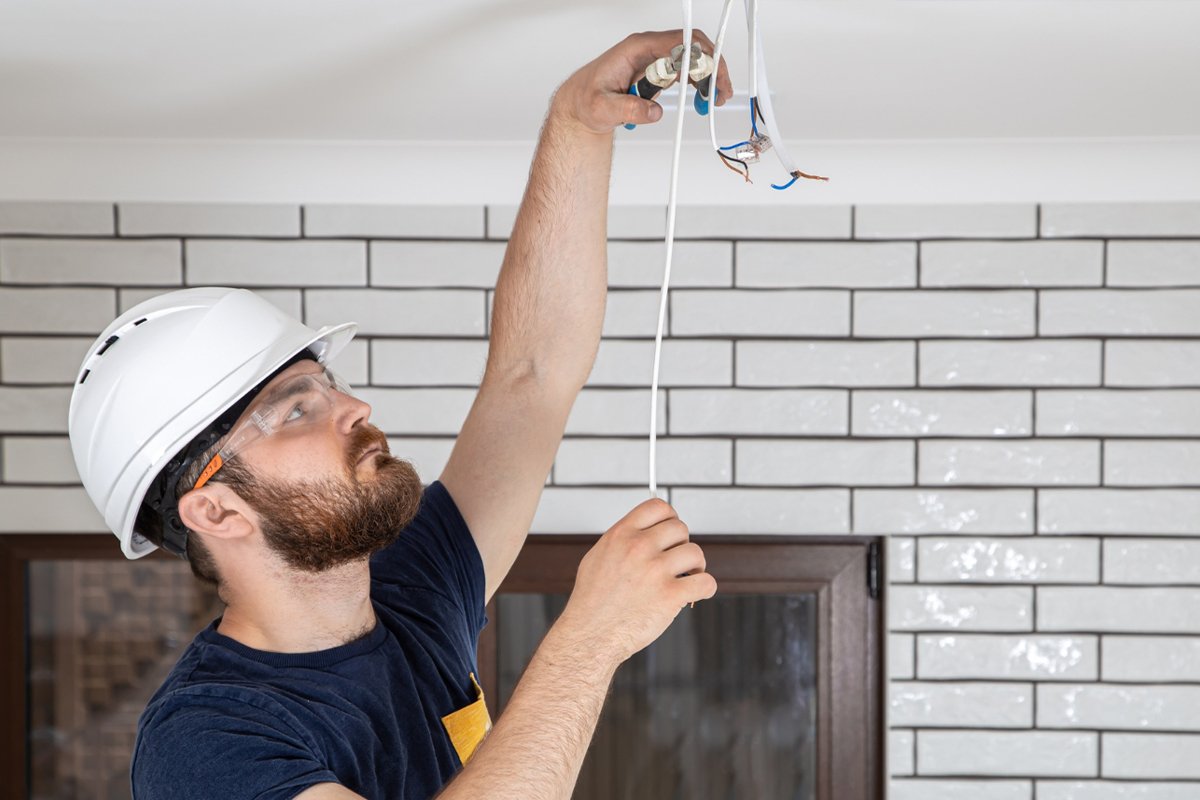
Electrical systems power almost everything in a modern Australian home, from lighting and heating to appliances and entertainment. When something goes wrong, it can be inconvenient — and in some cases, dangerous. Across Australia, electricians see the same issues appearing repeatedly, whether in older homes, renovated properties or new builds. Understanding these problems helps homeowners act early, improve safety and reduce long-term repair costs.
Below is a clear guide to the most common electrical problems found in Australian households, why they happen and what homeowners can do to reduce risks.
1. Overloaded Circuits
Overloaded circuits are one of the most frequent issues in Australian homes, especially older properties not designed for today’s energy demands. When too many appliances run on one circuit, the wiring can’t cope, causing breakers to trip repeatedly or, in severe cases, wires to overheat.
What causes overloaded circuits in homes?
Overloaded circuits occur when multiple high-demand appliances draw more current than the circuit is designed to handle. In one or two sentences: The most common cause is plugging too many devices into one outlet or power board, which forces the circuit beyond its safe load.
This problem is more common in older homes where circuits were not designed for modern appliances such as heaters, dryers or multiple kitchen devices. Breakers may trip frequently, outlets may feel warm, and lights may flicker when the load increases. Addressing the issue usually requires redistributing appliances or upgrading circuits.
2. Flickering or Dimming Lights
Flickering lights can be annoying, but they’re also an early sign of deeper electrical issues. Loose wiring connections, failing bulbs, incompatible dimmers or overloaded circuits often cause the problem.
If lights dim when a large appliance starts — such as an air conditioner or vacuum cleaner — the circuit may be struggling to cope with sudden demand spikes. Persistent flickering should never be ignored because it can indicate dangerous loose connections.
3. Frequent Tripping of Safety Switches
Safety switches (RCDs) protect households from electric shock by instantly cutting power when a fault is detected. If they trip regularly, something in the system needs attention.
Why does my safety switch keep tripping?
A safety switch usually trips because a faulty appliance, damaged wiring or moisture has created a leakage current that the device detects as unsafe. In one or two sentences: Frequent tripping indicates a problem somewhere in the circuit or an appliance connected to it.
Homeowners often find the issue occurs when a specific device is plugged in, such as a kettle, toaster or garden tool. In some cases, water ingress from outdoor outlets or bathroom areas is responsible. A qualified electrician should test the circuit to identify the exact cause.
4. Powerpoints That Don’t Work
A non-working power outlet can be caused by internal wear, loose connections or heat damage. Sometimes the outlet is linked to a tripped circuit, but in many cases, the issue is internal and requires professional repair.
Burn marks, cracked plates and outlets that feel warm to the touch are signs that the powerpoint may be unsafe and should be replaced immediately.
5. Outdated Switchboards
Many Australian homes built before the 1990s still rely on old switchboards with ceramic fuses. These boards lack the safety features required for modern energy demands and often struggle to support high-load appliances.
Updating to a modern switchboard with RCDs and circuit breakers improves safety and ensures compliance with Australian standards. It also prepares the home for future electrical upgrades such as EV chargers, battery systems or solar installations.
6. Electrical Surges
Electrical surges can occur because of faulty appliances, poor wiring, lightning or issues from the grid. Although they’re brief, repeated surges damage sensitive electronics such as TVs, computers and smart systems.
Surge protection devices or upgraded switchboards help reduce the impact. Homes with solar power or solar inverter systems may also experience surges if the inverter isn’t functioning correctly.
7. Poor or Ageing Wiring
Wiring deteriorates over time, especially in older Australian homes where heat, pests and renovations can accelerate damage. Indicators of wiring issues include:
- Burning smells
- Discolouration around outlets
- Warm switches
- Intermittent power loss
A full rewiring may be required when the insulation becomes brittle or when wiring no longer meets current safety standards.
8. Faulty Light Switches
Light switches can wear out with age, leading to delayed response, flickering or complete failure. Loose internal components or heat damage can cause switches to behave unpredictably.
An electrician can replace faulty switches quickly, and many homeowners use the opportunity to upgrade to modern switches or dimmers.
9. Issues With Solar Systems and Inverters
With over 3 million Australian homes now fitted with solar, electrical issues related to solar inverters, panel connections and isolators are becoming more common. When a solar inverter fails or underperforms, the entire system is affected.
What are the common problems with solar inverters?
Common solar inverter issues include overheating, internal faults, DC isolator problems, wiring failures or outdated firmware. In one or two sentences: A failing inverter often shows error codes, reduced solar output or complete shutdown.
Because the inverter is the heart of any solar system, early diagnosis is essential. Many Australian homes use brands such as Solis inverters, which generally perform well but still require periodic maintenance, firmware updates and checks for heat-related stress—especially in warmer regions.
10. Burnt Smells or Scorch Marks
Any burning smell or scorch mark around a switch, light fitting or outlet should be treated urgently. These signs usually indicate overheating wires, loose connections or degraded insulation.
This is one of the most dangerous electrical problems because it can lead to electrical fires. Power should be switched off immediately, and an electrician should inspect the area.
How Homeowners Can Reduce Electrical Issues
Preventive maintenance plays a major role in reducing risks. A few practical steps include:
- Avoid overloading power boards
- Replace ageing appliances
- Schedule regular electrical inspections
- Ensure outdoor outlets are properly protected
- Upgrade old switchboards
- Install surge protection
- Keep solar inverter systems serviced and monitored
These simple actions improve safety and help avoid unexpected system failures.
Conclusion
Most electrical problems seen in Australian homes stem from ageing components, overloaded circuits or modern appliances pushing old systems beyond their limits. Addressing these issues early prevents damage, reduces fire risks and keeps the home running efficiently. Whether it’s flickering lights, repeated safety-switch trips, wiring concerns or solar-related faults, professional support is essential. Brian Brothers Electrical can identify hidden issues, recommend the right upgrades and help homeowners maintain a safe, compliant electrical system for years to come.
FAQ Section
1. What are the most common electrical problems in Australian homes?
Common electrical problems in Australian homes include overloaded circuits, flickering lights, tripping safety switches, ageing wiring, faulty outlets and switchboard issues. In one or two sentences: These problems usually appear as a result of increased energy demand, outdated components or poor electrical installation.
Homeowners often notice warning signs such as warm outlets, dimming lights or frequent breaker trips. Addressing these issues early reduces fire risks and keeps the home safe.
2. Why do my lights keep flickering?
Lights flicker due to loose wiring, failing bulbs, overloaded circuits or incompatibility between dimmer switches and certain globes. In one or two sentences: Frequent flickering is often a sign of a wiring issue that needs attention.
If the problem occurs across multiple rooms or when heavy appliances start up, the underlying cause may be related to circuit load or poor electrical connections. An electrician should inspect the wiring to avoid potential hazards.
3. What causes safety switches to trip repeatedly?
Safety switches usually trip because an appliance or circuit is allowing electricity to leak to earth, which the switch detects as unsafe. In one or two sentences: Repeated tripping indicates a fault in the connected circuit or an appliance that needs testing.
Moisture in outdoor outlets, damaged cords or faulty internal wiring are common reasons. A licensed electrician can isolate the exact cause and restore safe operation.
4. When should I replace my switchboard?
A switchboard should be replaced when it contains old ceramic fuses, cannot support modern appliances or shows signs of overheating. In one or two sentences: Outdated switchboards lack essential safety features and may not meet current Australian standards.
Upgrading to a modern switchboard with circuit breakers and RCDs improves safety and prepares the home for future electrical upgrades such as EV chargers or solar systems.
5. What are common problems with solar inverters in Australian homes?
Solar inverter problems often include overheating, internal faults, wiring issues, DC isolator failures and outdated firmware. In one or two sentences: A failing solar inverter shows reduced output, error codes or unexpected shutdowns.
Brands like Solis inverters generally perform well but still require periodic servicing, clean airflow and regular monitoring to maintain efficiency and ensure long-term system reliability.